Release readiness before the browser swarm starts.
Proof gives operators one place to define the target environment, capture guardrails, and shape the report language the team will use before QA and browser execution widen the work.
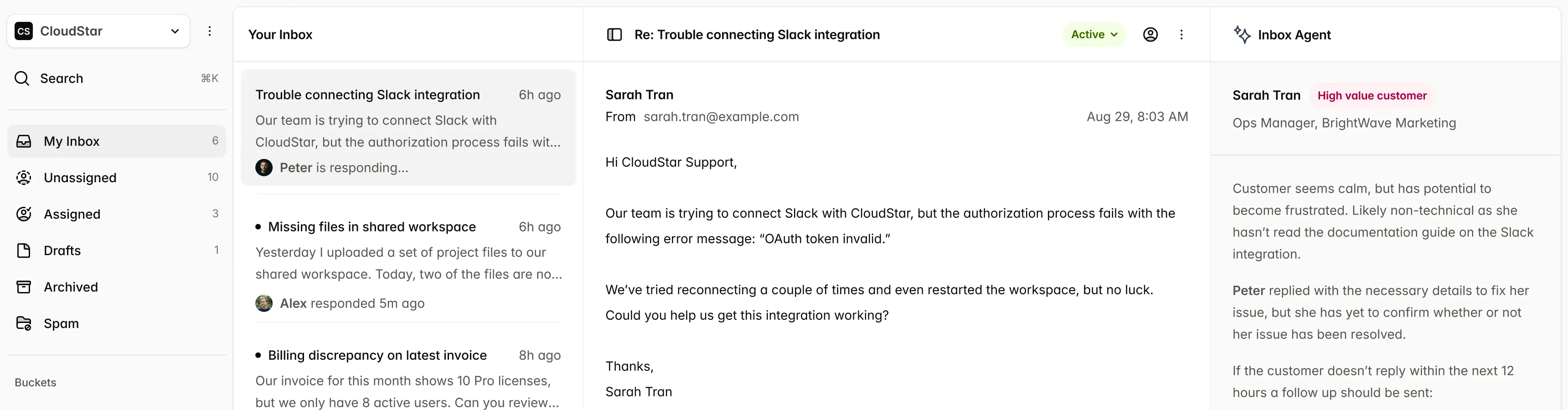
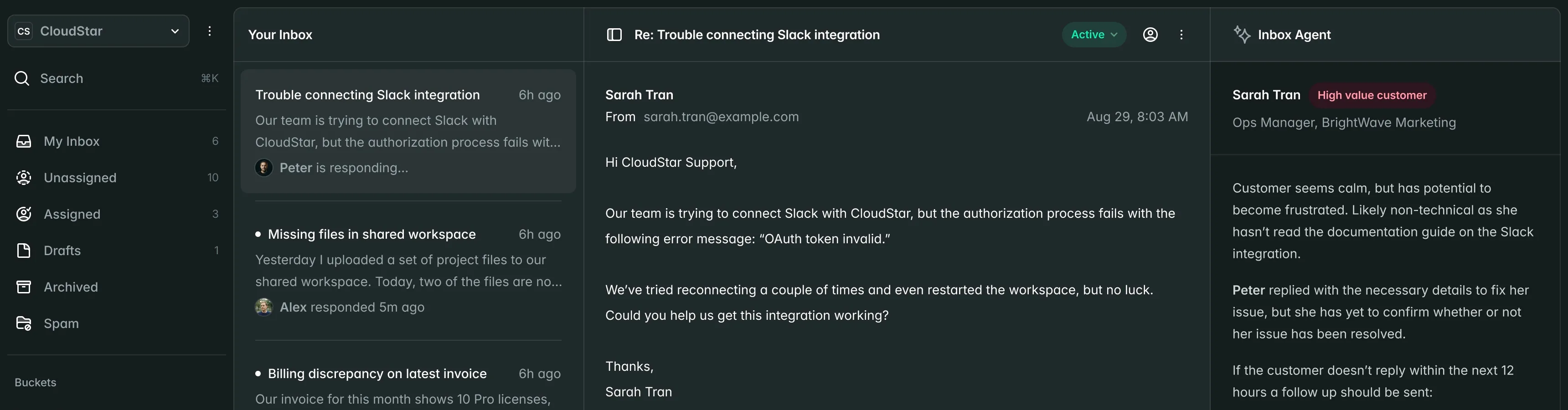
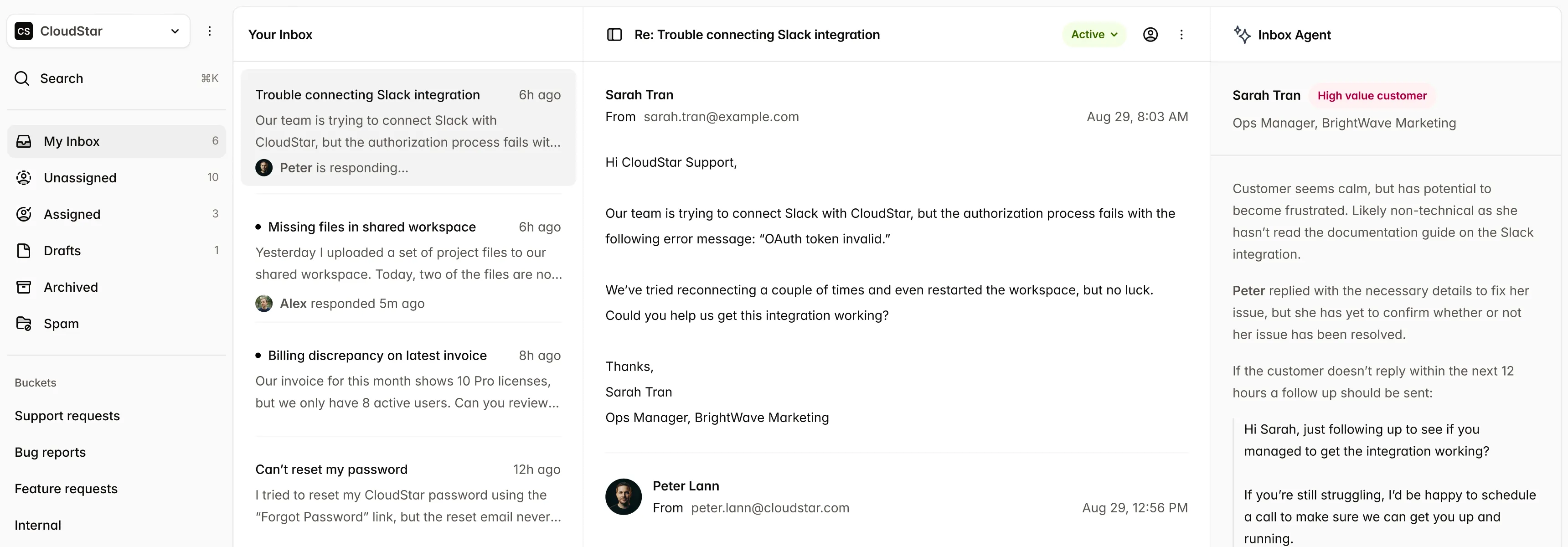
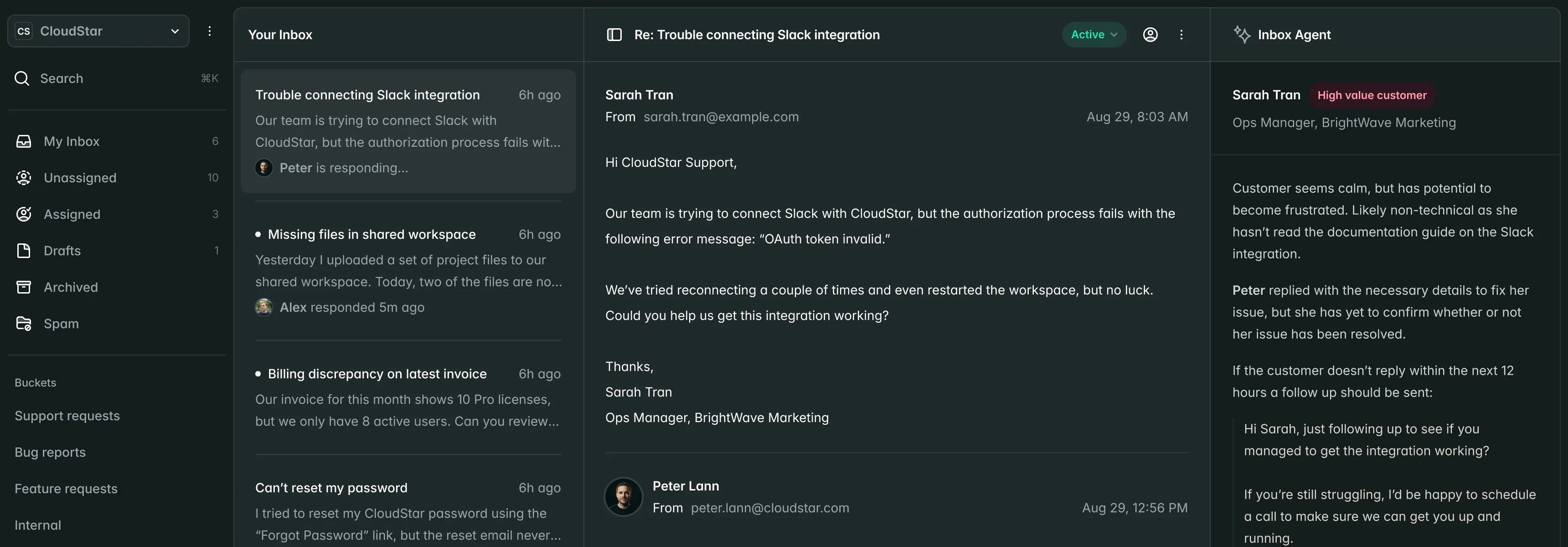
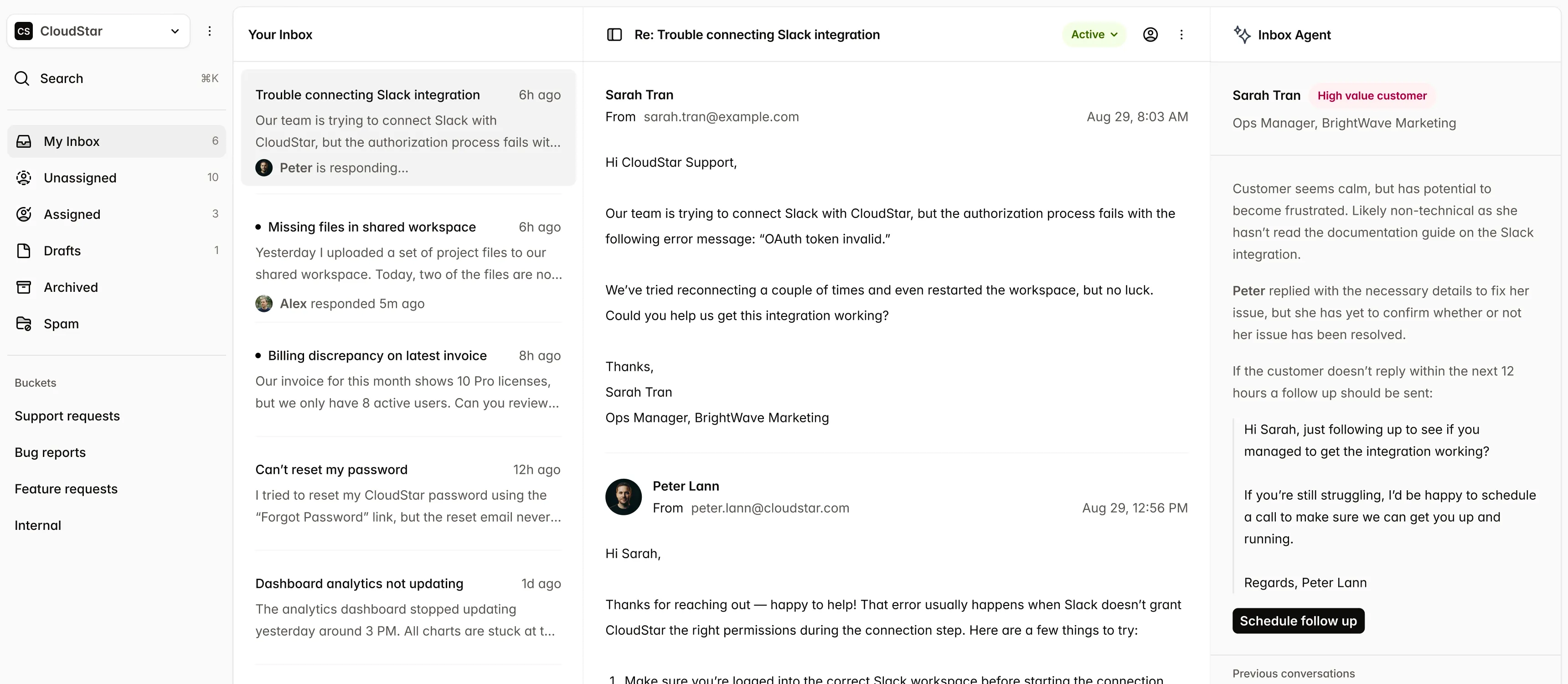
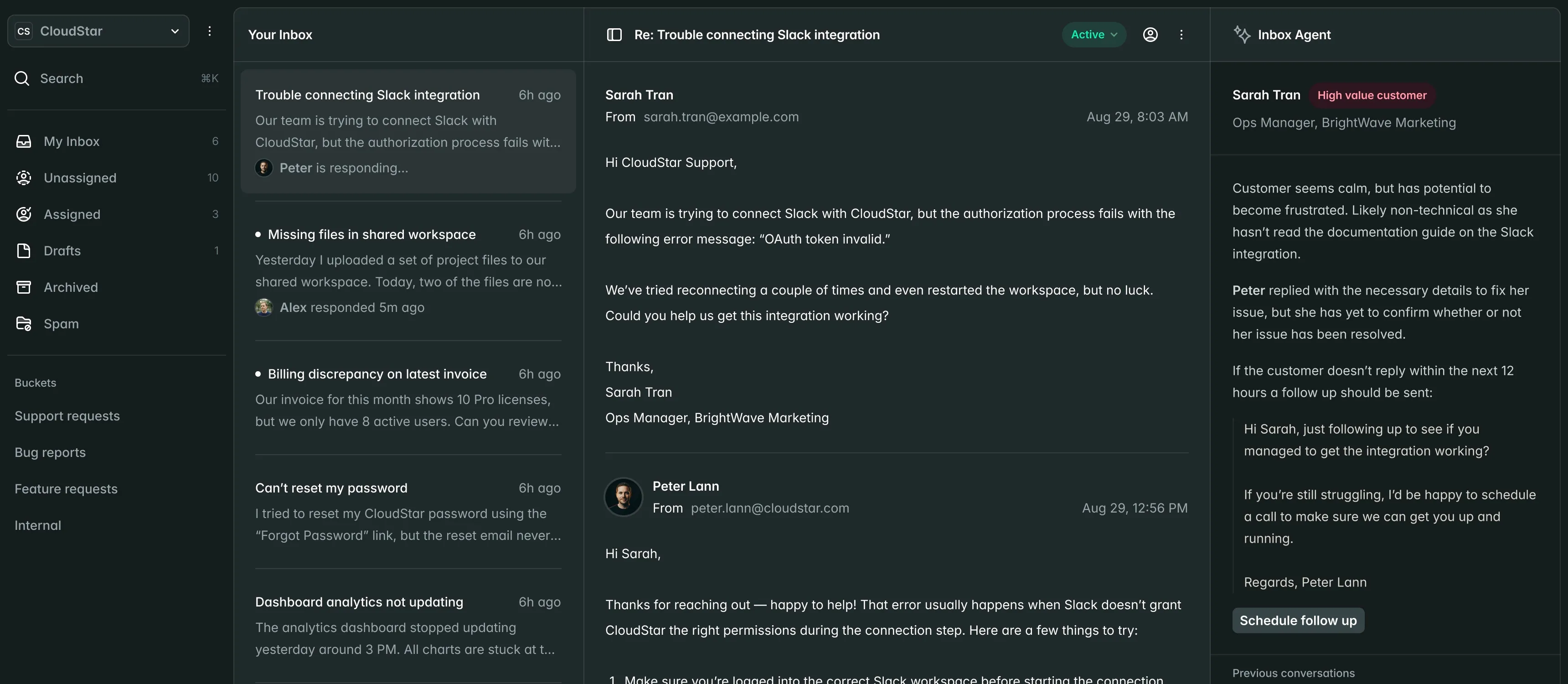
Everything you need to shape a cleaner release handoff.
Proof turns the pre-QA setup into one shared workflow. Define the run, validate the safety checks, and separate the report lanes before the team starts debating raw findings.
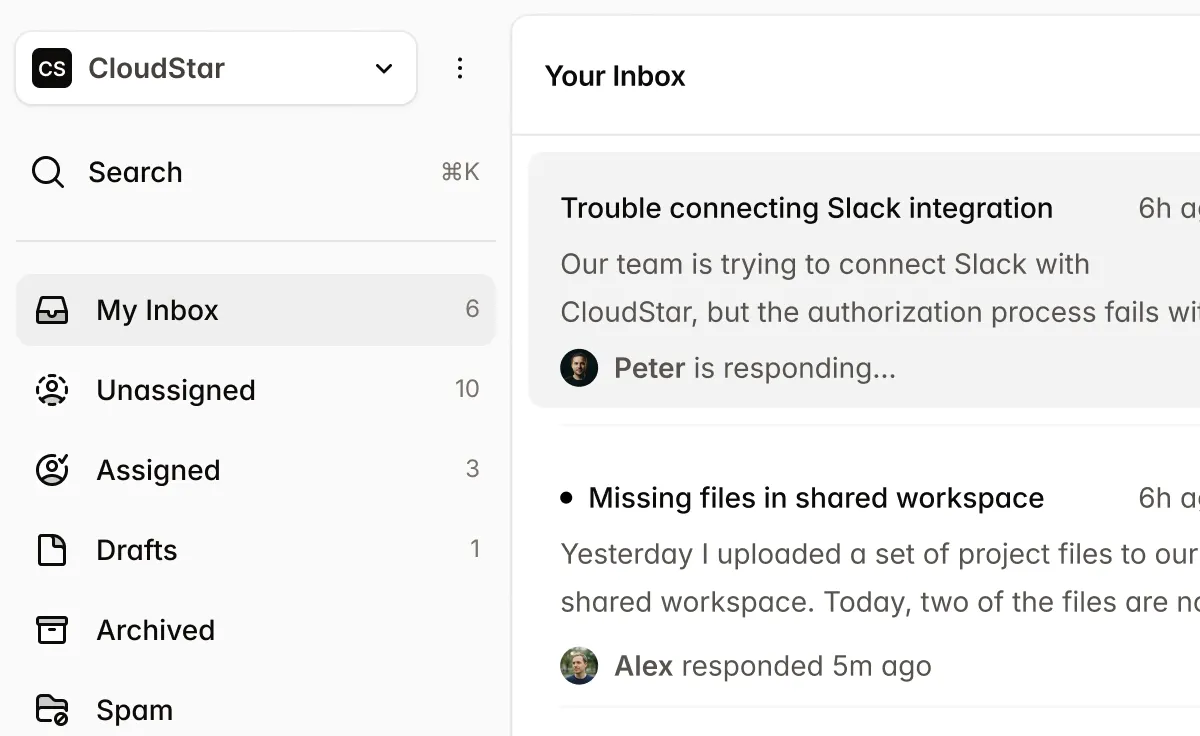
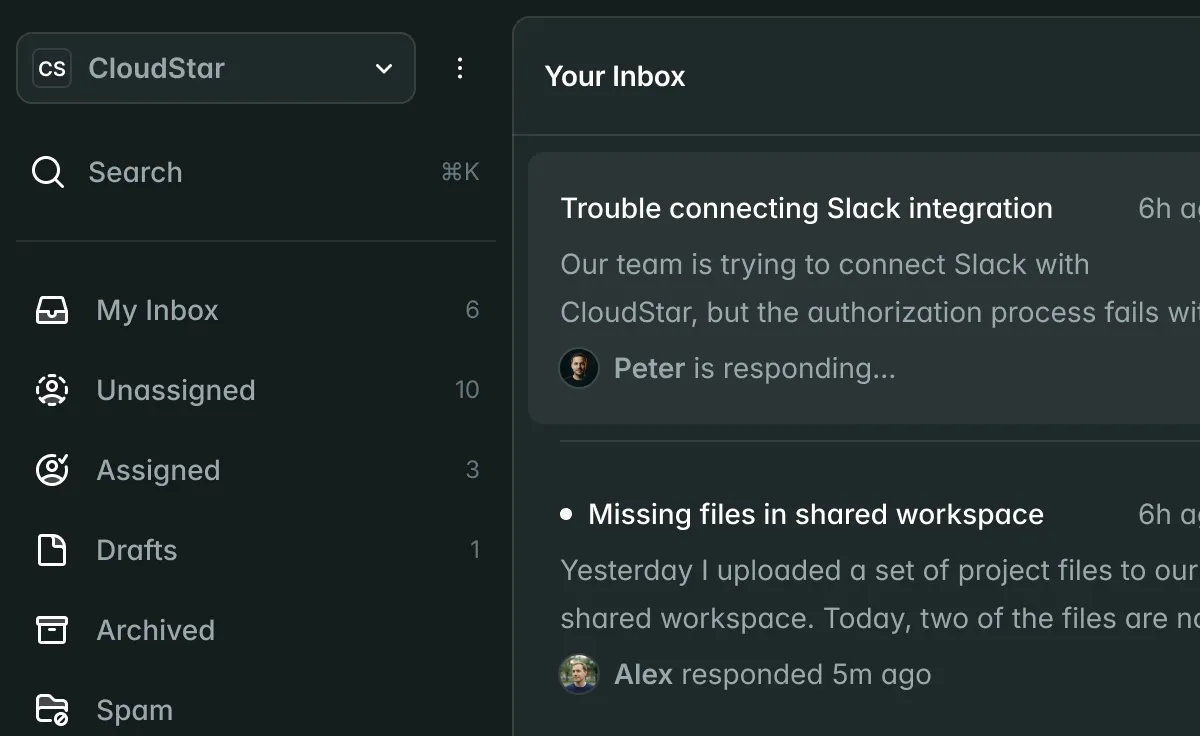
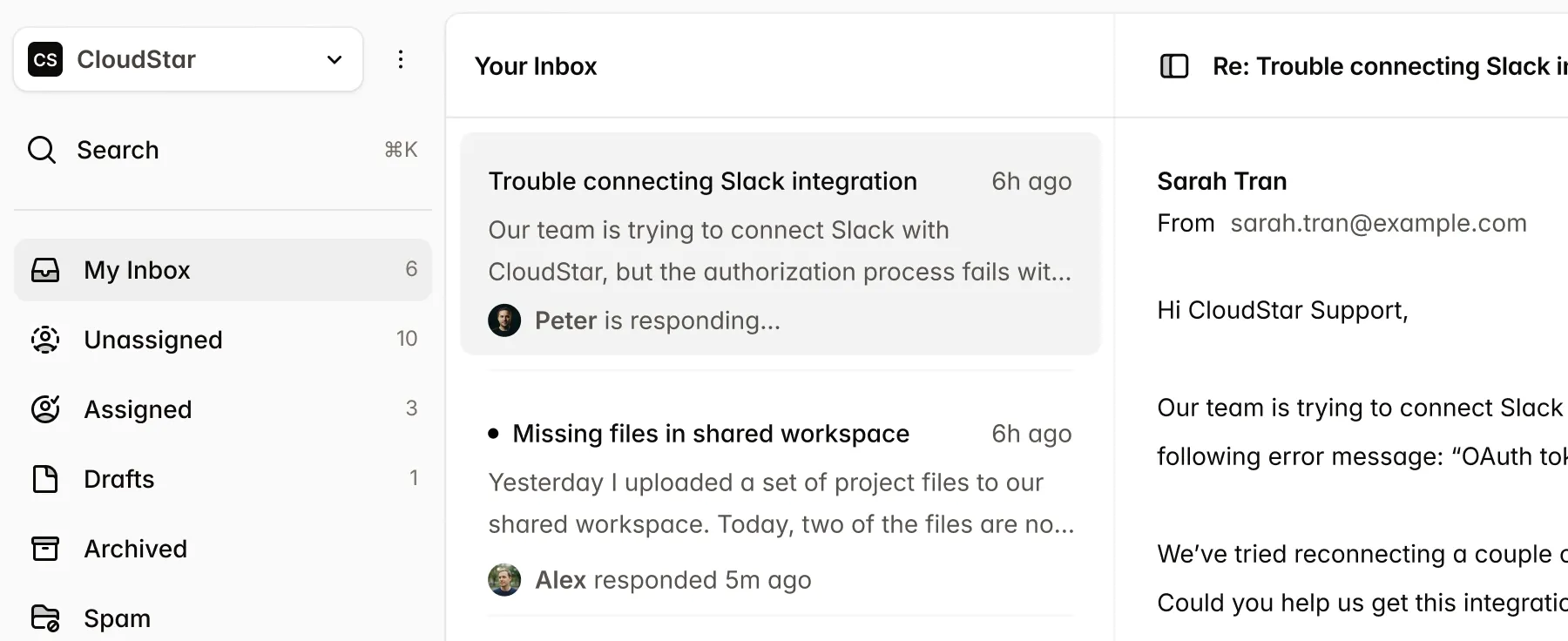
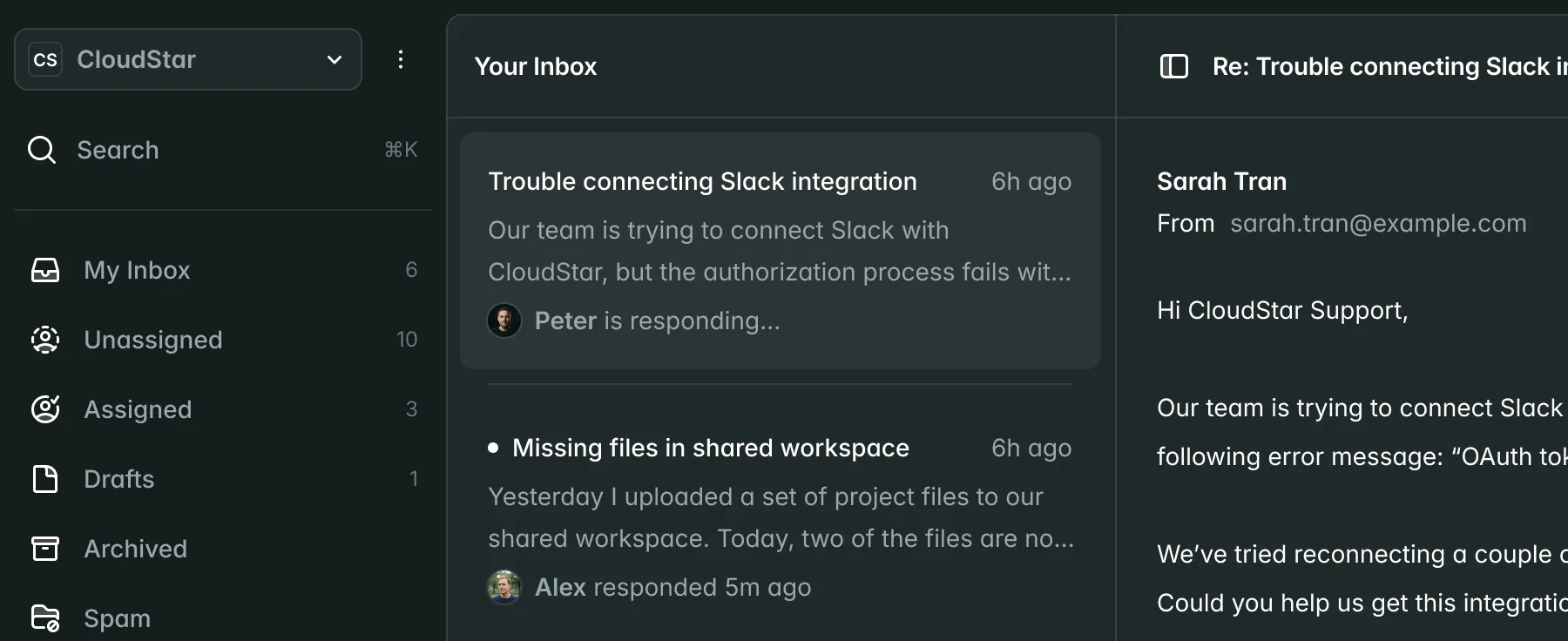
Run briefs
Capture the target URL, operator goal, and credentials reference in one typed setup flow.
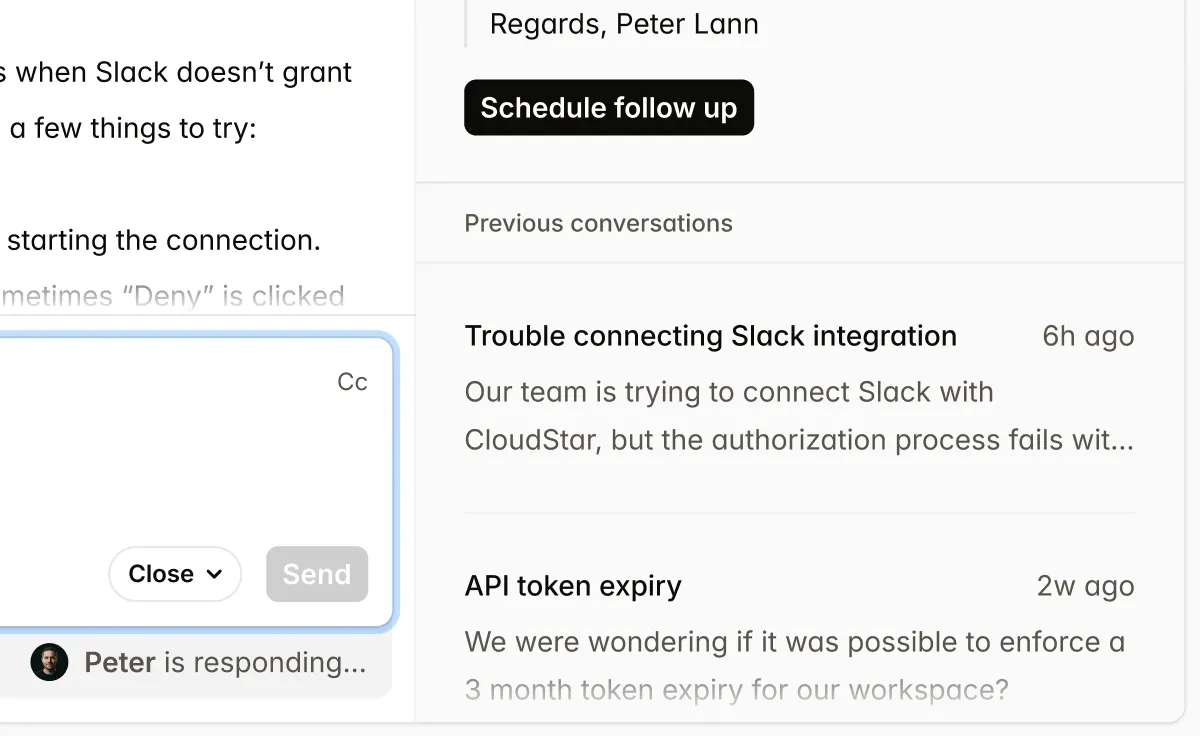
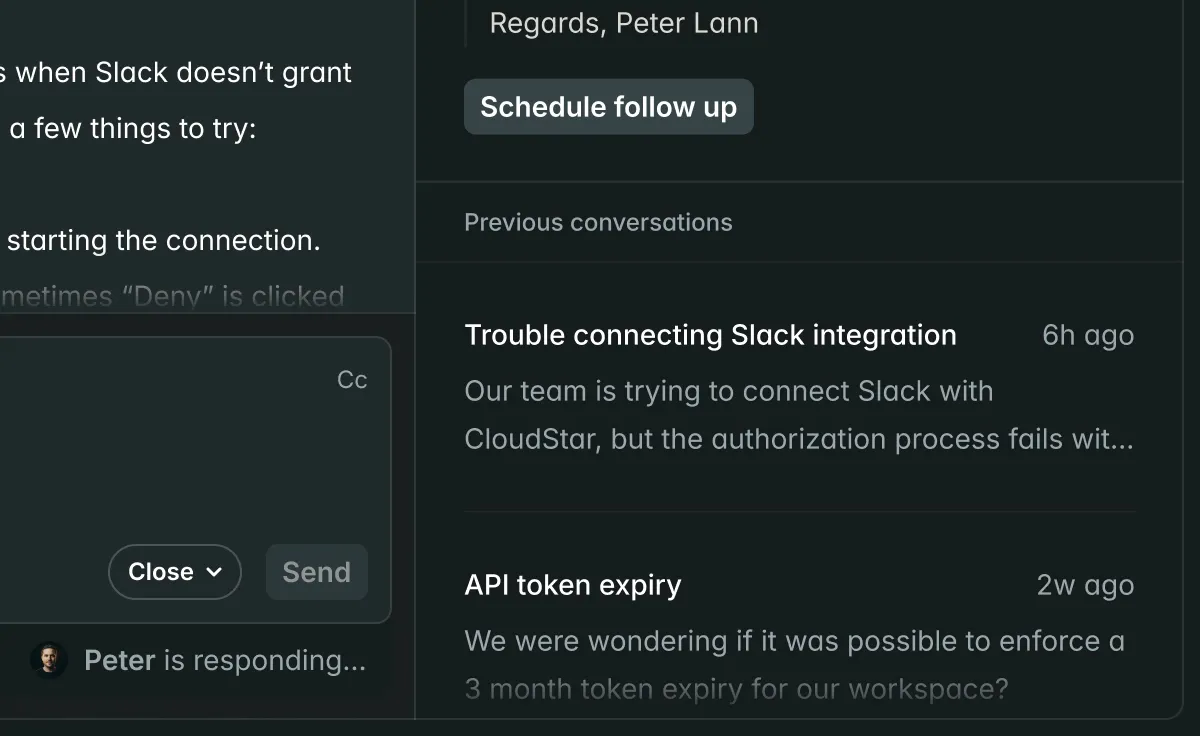
Policy checks
Validate browser reachability, HTTPS, and run limits before Proof spends a single browser minute.
Evidence lanes
Keep critical bugs, environment issues, and friction separate so triage starts with cleaner boundaries.
A homepage shaped around the workflow Proof is actually shipping.
The current product wedge is focused on operator setup, guardrails, and report structure for browser-based QA. This page now mirrors that workflow instead of the previous custom homepage.
Structured run setup before execution begins.
Report categories that keep product issues separate from environment noise.
The point of Proof is not to make the release process louder. It is to make the handoff into QA calmer, clearer, and easier for the team to trust.

Proof product direction
Internal principle for the release-gate workflow
Questions & Answers
Rollout paths to fit your team.
Pilot
$0/alpha
Small teams validating the release-gate workflow with Proof.
Operator run setup
Environment attestations
Structured report lanes
Direct product feedback
Email support
Team
$49/mo
Growing product teams that want a consistent pre-QA handoff.
Everything in Pilot
Shared operator workflows
Saved run defaults
Organization-level setup
Priority feedback loop
Early workflow access
Enterprise
Custom
Organizations shaping guarded browser QA workflows across multiple teams.
Everything in Team
SSO-ready onboarding
Custom policy guidance
Procurement support
Dedicated rollout planning
Roadmap partnership
Ready to make release handoffs feel more deliberate?
Bring the Oatmeal template structure together with Proof’s actual workflow: operator setup, release guardrails, and a clearer path into QA.